

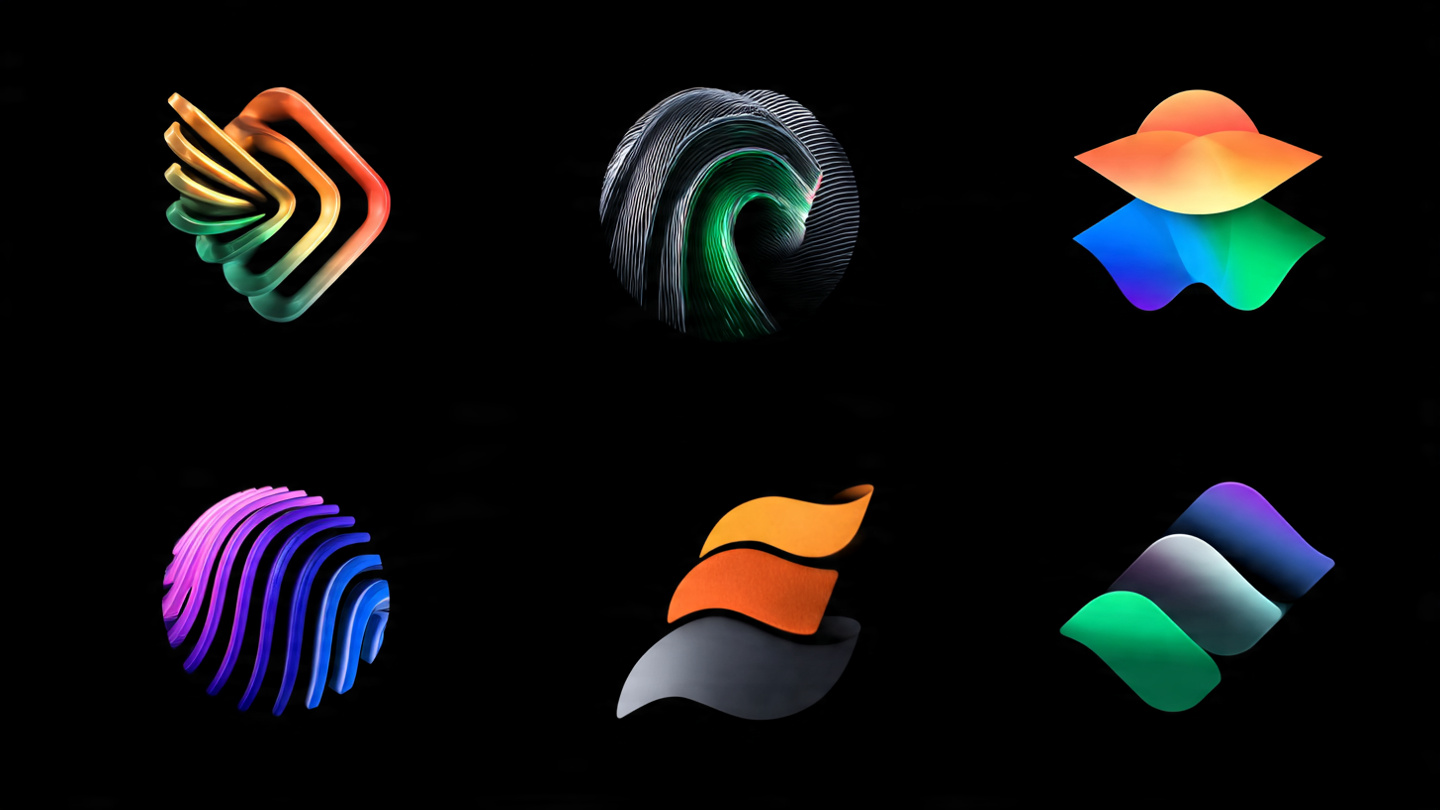

As we step into 2026, it’s essential to stay ahead of the curve with the latest logo design trends. A well-crafted logo is the cornerstone of your brand identity, making it crucial to invest in a creative logo concept that captivates your audience.

In this article, we’ll explore the latest logo inspiration that will dominate 2026, helping you elevate your brand and stay competitive. You’ll discover unique logo designs that will make your brand stand out.
Key Takeaways
- Latest logo design trends for 2026
- Creative logo concepts to inspire your brand
- Best logo inspiration to elevate your brand identity
- Unique logo designs to make your brand stand out
- Tips to stay competitive in the market
The Evolution of Logo Design: What to Expect in 2026
As we step into 2026, the world of logo design is on the cusp of a revolution, driven by technological advancements and changing consumer behaviors. The way brands present themselves is changing, and logo design is at the forefront of this transformation.
How Logo Design Has Changed in Recent Years
Logo design has undergone significant changes over the past few years, influenced by the rise of digital media and shifting consumer preferences. Unique logo designs have become crucial for brands looking to stand out in a crowded market. The trend has shifted towards simplicity, with many brands opting for minimalist designs that convey their message clearly and effectively.
Why Staying Current with Logo Trends Matters
Staying abreast of custom logo trends is vital for businesses aiming to remain relevant. A well-designed logo not only attracts customers but also communicates the brand’s values and mission. In 2026, professional logo designs will continue to play a crucial role in shaping brand identities.
The Impact of Digital Transformation on Logo Design
Digital transformation has significantly impacted logo design, with brands now requiring logos that are versatile and adaptable across various digital platforms. This shift has led to the development of dynamic logos that can change depending on the context in which they are used.
| Logo Design Element | Traditional Approach | Modern Approach |
|---|---|---|
| Color Scheme | Static colors | Adaptive colors based on context |
| Design Style | Static designs | Dynamic, responsive designs |
| Typography | Standard fonts | Custom, variable fonts |
By understanding these changes and adapting to the new landscape, businesses can ensure their logos remain effective and engaging.
Minimalist Logo Design: Less is More in 2026
The art of minimalist logo design lies in its ability to convey complex brand messages through simple, elegant designs. As we explore this concept further, you’ll discover the psychology behind why minimalist designs are so effective and how you can apply these principles to your own branding.
The Psychology Behind Minimalist Designs
Minimalist designs resonate with audiences because they are clean, uncluttered, and easy to understand. This simplicity fosters a sense of trust and sophistication, making your brand more approachable. According to design experts, the clarity of minimalist designs helps in creating an immediate emotional connection with the viewer.
“Simplicity is the ultimate form of sophistication.” This quote by
Leonardo da Vinci
encapsulates the essence of minimalist design, highlighting its timeless appeal.
Examples of Effective Minimalist Logos
Several brands have successfully implemented minimalist logos, reaping the benefits of this design philosophy. For instance, the use of simple shapes and limited color palettes can make a logo more memorable. Let’s examine some examples:
- Nike’s swoosh logo is a classic example of minimalist design, symbolizing movement and speed without unnecessary embellishments.
- Apple’s logo, with its sleek, bitten apple silhouette, represents innovation and elegance through simplicity.
Color Choices for Minimalist Logos
When it comes to color choices for minimalist logos, restraint is key. A limited palette not only enhances simplicity but also ensures scalability across various platforms. Typically, a single color or a combination of two complementary colors works best.
Typography plays a crucial role in minimalist logo design. The right font can convey your brand’s personality and values without overwhelming the viewer. Custom typography or carefully selected standard fonts can make your logo stand out while maintaining the minimalist ethos.
To achieve a balanced and impactful design, consider the following logo design tips:
- Keep it simple: Avoid clutter and focus on clean lines.
- Be consistent: Ensure your logo works well across different mediums and sizes.
- Make it meaningful: Your logo should tell a story or convey a message relevant to your brand.
Dynamic and Adaptive Logos: Flexibility for Multiple Platforms
As we navigate through multiple digital touchpoints, the need for dynamic logos that can seamlessly adjust has become a branding imperative. With the proliferation of various digital platforms, a logo’s ability to adapt is no longer just a desirable trait but a necessity for maintaining brand consistency across different media.
Why Adaptability Matters in Modern Branding
Adaptability in logos is crucial because it ensures that your brand’s visual identity remains impactful and recognizable across various contexts. Whether it’s a social media profile, a website header, or a business card, an adaptive logo adjusts its design to fit the specific requirements of each platform without losing its essence.
Creating Logo Systems That Work Everywhere
To achieve adaptability, designers often create logo systems rather than a single, static logo. These systems include:
- A primary logo that serves as the main brand identifier
- Icon-only versions for use in smaller formats or as social media avatars
- Wordmark variations for situations where the logotype needs to stand alone
Responsive Logo Design Techniques
Responsive logo design involves creating logos that can change layout, color, or even complexity based on the context in which they’re displayed. Techniques include:
- Using scalable vector graphics (SVG) to ensure logos remain crisp at any size
- Implementing color variations that work well on different backgrounds
- Simplifying designs for smaller formats while maintaining the brand’s identity
Animation and Motion in Adaptive Logos
Animation and motion are increasingly being used to enhance logo adaptability, especially in digital environments. Animated logos can:
- Catch user attention more effectively than static logos
- Convey complex brand messages in an engaging way
- Adapt to different interaction states, such as hovering or clicking
By embracing dynamic and adaptive logos, you can ensure your brand remains visually appealing and effective across the multitude of platforms your audience uses. This approach not only keeps your brand at the forefront of logo design trends but also helps in creating eye-catching logos that capture attention in a crowded digital landscape.
3D and Dimensional Logo Designs: Adding Depth to Your Brand
As we dive into 2026, the world of logo design is embracing a new dimension – literally, with 3D and dimensional logos taking center stage. This trend is all about creating visual interest and depth, making your brand stand out in a crowded market.
Rise of 3D Elements
The use of 3D elements in logo design has been gaining momentum, driven by advancements in design software and the increasing demand for visually striking brand identities. 3D logos offer a unique way to engage audiences and create memorable brand experiences.
Tools and Techniques
Creating effective 3D logos requires the right tools and techniques. Designers are leveraging software like Blender and Adobe Dimension to craft intricate, dimensional designs. Some key techniques include:
- Playing with lighting effects to create depth
- Using gradients and shadows to enhance dimensionality
- Experimenting with different materials and textures
When to Use 3D Elements
While 3D logos can be impactful, they’re not suitable for every brand. Use 3D elements when you want to convey a sense of innovation, luxury, or futurism. However, for brands that require a more minimalist or traditional approach, 2D designs might be more appropriate.
Integrating 3D Logos Across Media
To maximize the effectiveness of your 3D logo, it’s crucial to ensure it looks great across both digital and print media. This involves creating variations of your logo that are optimized for different contexts, such as social media profiles, business cards, and billboards.
By embracing 3D and dimensional logo designs, you can add a new layer of depth to your brand identity, making it more engaging and memorable for your audience.
Top Logo Design Ideas That Will Dominate 2026
With 2026 on the horizon, designers are gearing up to push the boundaries of logo creation with fresh and exciting ideas. The top logo design ideas for the year are expected to be a mix of innovative styles, creative logo concepts, and best logo inspiration that will help brands stand out in a competitive market.
Geometric and Abstract Patterns
Geometric and abstract patterns are set to make a significant impact in 2026. These designs offer a clean and modern aesthetic that can be tailored to fit various brand identities. Geometric shapes can be used to create logos that are not only visually appealing but also memorable and scalable.
Hand-Drawn and Organic Elements
Hand-drawn and organic elements are another key trend for 2026. These designs bring a touch of humanity and warmth to a brand’s visual identity. Custom illustrations and hand-drawn logos can help brands connect with their audience on a more personal level.
Nostalgic and Retro-Inspired Designs
Nostalgic and retro-inspired designs are making a comeback in 2026. These logos tap into consumers’ fond memories and can evoke a sense of comfort and familiarity. By incorporating retro elements, brands can create a unique and captivating visual identity.
| Design Element | Description | Brand Impact |
|---|---|---|
| Geometric Shapes | Clean and modern aesthetic | Memorable and scalable |
| Hand-Drawn Elements | Warm and personal touch | Connects with audience on a personal level |
| Retro Inspiration | Evoke nostalgia and comfort | Unique and captivating visual identity |
Futuristic and Tech-Forward Aesthetics
Futuristic and tech-forward aesthetics are also expected to dominate 2026. These designs often feature sleek lines, neon colors, and innovative typography. By embracing a futuristic look, brands can convey innovation and forward thinking.
“The best logos are those that are simple, yet distinctive. They should be able to stand the test of time while remaining relevant to the brand’s message.”
By staying informed about these top logo design ideas, you’ll be better equipped to create a logo that not only resonates with your target audience but also elevates your brand’s visual identity in 2026.
AI-Generated Logo Concepts: The Future of Design
AI is transforming the world of logo creation, offering unprecedented opportunities for innovation. As we step into 2026, the role of artificial intelligence in logo design is becoming increasingly significant, enabling designers to explore new frontiers in visual identity.
Revolutionizing Logo Creation
The integration of AI in logo design is changing the landscape of the industry. AI algorithms can analyze vast amounts of data, learn from existing designs, and generate novel logo concepts that are both unique and relevant to the brand’s identity. This capability not only accelerates the design process but also opens up new possibilities for creativity.
Top AI Tools for Logo Design
In 2026, several AI tools are making waves in the logo design community. Some of the most notable include:
- Logojoy: Now known as Looka, this platform uses AI to create custom logos based on user preferences.
- Tailor Brands: Offers AI-driven logo design that adapts to different branding needs.
- Wix Logo Maker: Utilizes AI to generate logos based on user inputs, making it a user-friendly option for businesses.
Balancing AI with Human Creativity
While AI brings significant advantages to logo design, it’s crucial to balance AI assistance with human creativity. Human designers bring emotional intelligence and a deep understanding of brand narratives, which are essential for creating logos that resonate with audiences.
Ethical Considerations
The use of AI in logo design also raises ethical considerations, such as the potential for homogenization of designs and issues related to ownership and originality. As the industry moves forward, addressing these concerns will be vital.
| AI Tool | Key Features | Best For |
|---|---|---|
| Looka | Custom logo creation based on user preferences | Businesses seeking unique logos |
| Tailor Brands | AI-driven logo design adaptable to branding needs | Brands requiring versatile logos |
| Wix Logo Maker | User-friendly logo generation based on user inputs | Small businesses and startups |

Sustainable and Eco-Conscious Logo Design
With the growing awareness of environmental issues, sustainable logo design has become a crucial aspect of eco-conscious branding. As a brand, you have the opportunity to communicate your environmental values through your logo, enhancing your reputation and appealing to the growing demographic of eco-conscious consumers.
Communicating Environmental Values Through Design
Your logo is often the first point of contact between your brand and potential customers. By incorporating elements that reflect your commitment to sustainability, you can immediately convey your brand’s values. This can be achieved through the use of natural colors, organic shapes, and eco-friendly design principles.
Sustainable Design Practices
Adopting sustainable design practices not only benefits the environment but also adds value to your brand. This includes using digital design tools to reduce waste, selecting eco-friendly materials for physical logo representations, and designing logos that are timeless rather than trendy.
Case Studies: Successful Eco-Friendly Rebrands
Several brands have successfully rebranded themselves with a focus on sustainability. Let’s examine a few examples:
| Brand | Pre-Rebrand Logo | Post-Rebrand Logo | Key Changes |
|---|---|---|---|
| Patagonia | Simplified design, environmentally friendly colors | ||
| The Body Shop | Eco-conscious packaging, natural color palette |
These brands demonstrate how a well-designed logo can effectively communicate a commitment to sustainability, enhancing their appeal to eco-conscious consumers.
Typography-Focused Logos: Making Statements with Text
Typography-focused logos are gaining traction, providing a powerful means of communication for brands. By leveraging the right typography, you can create a logo that not only looks great but also effectively communicates your brand’s message.
Custom Typography vs. Modified Existing Fonts
When it comes to typography-focused logos, one of the key decisions you’ll need to make is whether to use custom typography or modify existing fonts. Custom typography offers a unique and tailored look that can set your brand apart. On the other hand, modifying existing fonts can be more cost-effective and still yield impressive results.
For instance, brands like Coca-Cola and McDonald’s have successfully used custom typography to create distinctive logos. However, many other brands achieve great results by creatively modifying existing fonts.
Innovative Text Treatments for 2026
In 2026, we can expect to see some exciting trends in text treatments for typography-focused logos. Two areas to watch are:
- Animated typography in digital logos
- Multilingual considerations in typography-based logos
Animated Typography in Digital Logos
Animated typography is becoming increasingly popular, especially in digital logos. This involves using motion graphics to bring your logo to life, creating a more engaging and dynamic brand presence.
“The use of animated typography in logos is a game-changer, allowing brands to convey their message in a more captivating way.”
Design Expert
Multilingual Considerations in Typography-Based Logos
When designing typography-based logos, it’s essential to consider multilingual audiences. This means ensuring that your logo looks good and remains legible across different languages and character sets.

By focusing on typography and considering these trends and factors, you can create a logo that is both visually appealing and effective in communicating your brand’s message.
Color Psychology in 2026 Logo Design
Logo design in 2026 is all about harnessing the power of color psychology to connect with audiences. Color is a fundamental element that can evoke emotions and convey meaning, making it a crucial aspect of creating an impactful logo.
Trending Color Palettes for Different Industries
Different industries are adopting unique color palettes that resonate with their target audiences. For instance, eco-friendly brands are leaning towards earthy tones such as sage green and sandy beige, while tech companies are embracing bold and futuristic colors like neon blue and metallic silver.
According to a recent design trend report, “Sustainability is influencing color choices, with brands opting for natural hues that reflect their environmental values.”
“The use of natural colors not only appeals to eco-conscious consumers but also adds a layer of authenticity to a brand’s identity.”
Using Color to Evoke Specific Emotions
Colors have the power to evoke specific emotions. Understanding this can help you create a logo that elicits the desired response from your audience. For example, blue is often associated with trust and stability, making it a popular choice for financial institutions.
Gradient and Color Transition Techniques
Gradient techniques are becoming increasingly popular, allowing for dynamic and visually appealing logos. The key is to use gradients that enhance the logo’s meaning and appeal. A well-designed gradient can add depth and dimension to your logo.
Accessibility and Inclusivity in Color Choices
Ensuring that your logo is accessible and inclusive involves considering color contrast and visibility for all audiences, including those with visual impairments. It’s essential to choose colors that provide sufficient contrast and are legible in various contexts.
By understanding the psychology of color and applying it effectively, you can create a logo that resonates with your target audience on a deeper level.
Working with Designers to Implement Your Logo Vision
To implement your logo design effectively, you’ll need to work closely with a skilled designer. A well-designed logo is a crucial element of your brand’s identity, and a professional designer can help you achieve this.
Finding the Right Designer for Your Brand
When searching for a designer, look for someone with experience in creating logos that align with your industry and brand values. Check their portfolio to ensure their style matches your vision. A good designer will not only create a visually appealing logo but also understand the underlying message you want to convey.
Communicating Your Brand Values Effectively
To get the most out of your collaboration with a designer, it’s essential to clearly communicate your brand values and expectations. Be prepared to share information about your brand’s mission, target audience, and preferred design aesthetics.
Budget Considerations and Return on Investment
When budgeting for logo design, consider the long-term value it brings to your brand. A well-designed logo can significantly impact your brand’s recognition and customer loyalty. While it’s possible to find designers at various price points, investing in a professional can yield a higher return on investment.
Timeline Expectations for Professional Logo Design
The timeline for logo design can vary depending on the complexity of the project and the designer’s workload. Typically, you can expect the process to take anywhere from a few weeks to a couple of months. Planning ahead and allowing sufficient time for revisions will help ensure you’re satisfied with the final result.
As design expert, Jessica Hische, once said,
“A great logo is not just a symbol, it’s a representation of your brand’s values and personality.”
By working effectively with a designer and clearly communicating your brand values, you can create a logo that truly represents your brand.
Conclusion: Creating a Timeless Logo in a Trend-Driven World
As we wrap up our exploration of the top logo design ideas for 2026, it’s essential to strike a balance between staying current with trends and investing in a design that will endure. To achieve a timeless logo design, you must consider the ever-changing landscape of trend-driven design while focusing on creating a visual identity that remains relevant.
By understanding the importance of adaptability, creativity, and sustainability in logo design, you’ll be well-equipped to create a logo that resonates with your audience today and in the years to come. Here are some logo design tips to help you achieve a timeless visual identity: prioritize simplicity, ensure versatility across different platforms, and consider the emotional impact of your design choices.
By following these guidelines and staying informed about the latest design trends, you’ll be able to create a logo that not only represents your brand effectively but also stands the test of time.
FAQ
What are the key trends in logo design for 2026?
The key trends in logo design for 2026 include minimalist designs, dynamic and adaptive logos, 3D and dimensional logos, and typography-focused logos, as well as a growing emphasis on sustainability and eco-conscious branding.
How can I create a timeless logo that won’t become outdated quickly?
To create a timeless logo, focus on simple, versatile designs that aren’t overly tied to current trends. Consider working with a professional designer who can help you balance contemporary style with enduring appeal, and prioritize a design that effectively communicates your brand’s values and message.
What role does color psychology play in logo design?
Color psychology plays a significant role in logo design, as different colors can evoke specific emotions and convey meaning. By understanding the psychology of color, you can choose a color palette that resonates with your target audience and supports your brand’s message, while also ensuring accessibility and inclusivity.
Can AI-generated logos replace human designers?
While AI-generated logos offer new possibilities for design innovation, they are not a replacement for human designers. The best results often come from balancing AI assistance with human creativity, allowing you to leverage the strengths of both approaches and create unique, compelling logos that set your brand apart.
How do I choose the right designer for my logo design project?
To choose the right designer, look for someone with a portfolio that aligns with your brand’s style and aesthetic. Communicate your brand values and goals clearly, and consider factors such as budget, timeline, and the designer’s experience with your industry or similar projects.
What are some effective logo design tips for creating a strong brand identity?
Effective logo design tips include keeping your design simple and memorable, ensuring versatility across different platforms and formats, and prioritizing a design that effectively communicates your brand’s message. Consider working with a professional designer to help you achieve a logo that resonates with your target audience and elevates your brand.