


Before & After: How Good Design Transforms a Business
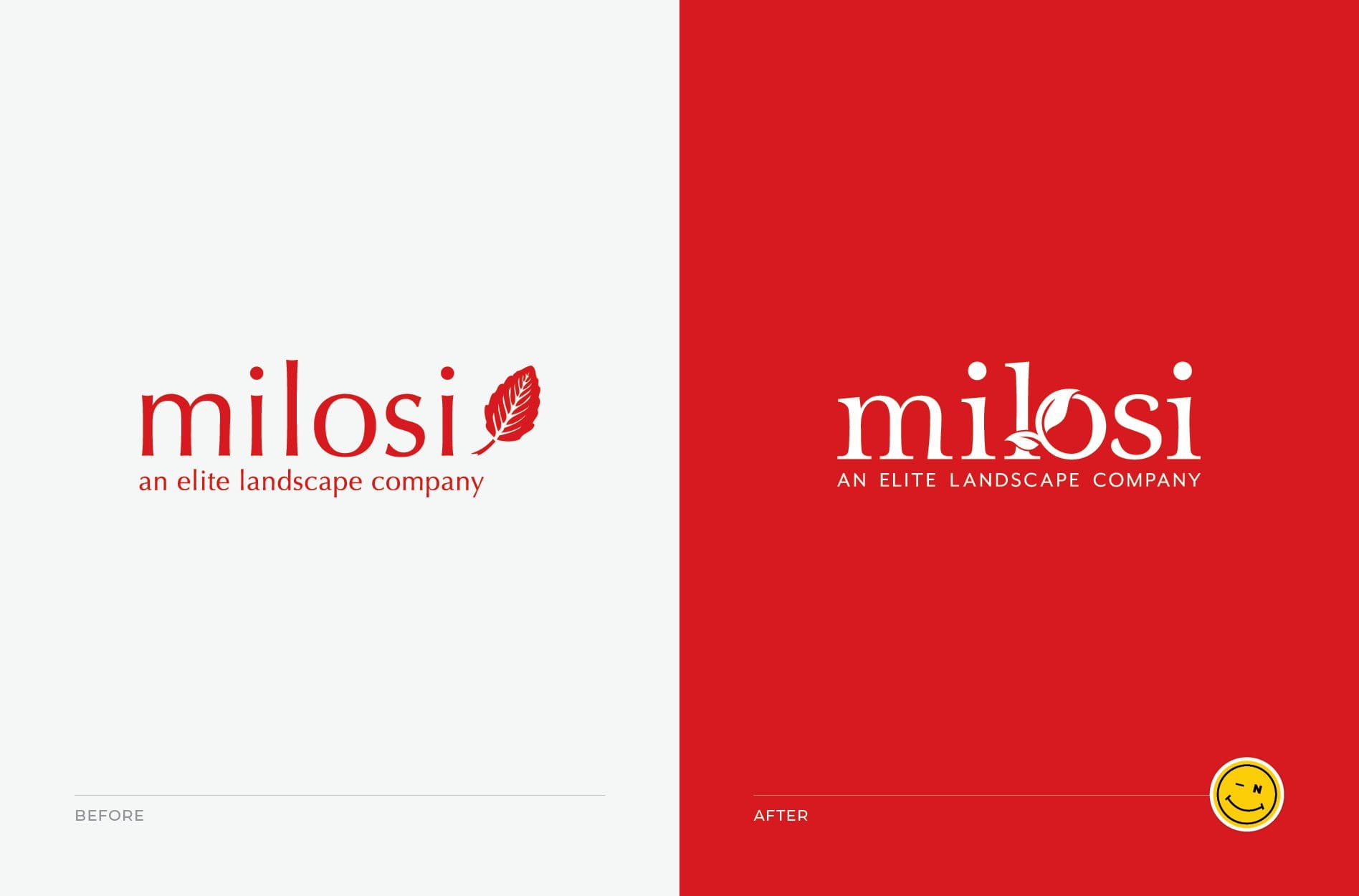

Most business owners underestimate the power of design — until they see the before and after.
You can improve your offer, fix your marketing, or spend on ads… but if your design looks outdated, confusing, or unprofessional, your business hits a wall.
Here’s the shocking part:
🧠 Interesting Fact #1:
94% of first impressions are design-related.
(Meaning customers judge you before they read a single word.)
And in many cases, good design isn’t just a “visual upgrade” — it transforms conversion rates, customer trust, sales, and the overall perception of your brand.
In this article, we’ll break down how design completely changes a business — with before-and-after examples, psychology insights, and the brand areas where design has the biggest impact.
Before & After: How Good Design Transforms a Business
How Good Design Transforms a Business: Before & After
1. Before: Confusing Branding → After: Clear Identity That Attracts
Most businesses start with mismatched colors, random fonts, inconsistent images, or a “temporary logo” that becomes permanent.
This usually leads to:
- low trust
- poor memorability
- inconsistent messaging
- messy social presence
After a design upgrade:
- clean color palette
- professional logo kits
- unified visuals
- clear brand message
- emotional connection
🧠 Interesting Fact #2:
Consistent branding increases revenue by 23%–33%.
Good design makes your business look intentional, not accidental.
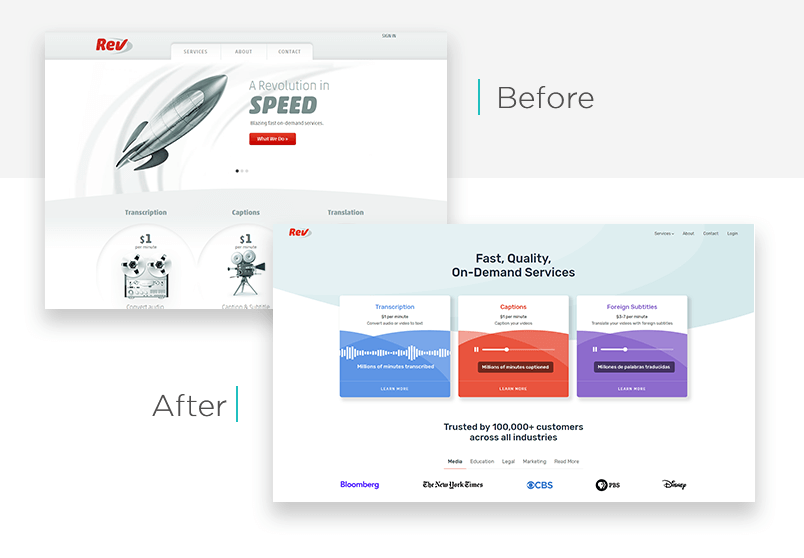
2. Before: Hard-to-Read Website → After: High-Trust Conversion Machine
Your website design influences how people perceive your competence, reliability, and value.
Before redesign:
- slow pages
- unclear navigation
- weak CTAs
- cluttered layouts
- outdated typography
After redesign:
- modern layout
- perfect spacing
- professional structure
- clear benefits
- high-impact visuals
- conversion-focused CTAs
🧠 Interesting Fact #3:
Businesses see a 200%–400% conversion increase after a professional redesign.
Design doesn’t just “look good” — it sells.
3. Before: DIY Social Media → After: Recognizable Brand Presence
Social media is where customers first judge your brand.
Before:
- random colors
- inconsistent graphics
- no brand templates
- low engagement
- no coherence
After:
- branded templates
- recognizable color system
- strong typography
- improved retention
- increased shares
🧠 Interesting Fact #4:
Consistent visual identity increases social engagement 2–5x.
People share what looks good.
They trust what feels professional.
4. Before: Generic Marketing Materials → After: Premium Perception
Whether it’s ads, brochures, banners, or landing pages — design determines whether people stop scrolling or keep moving.
Before:
- cluttered ad designs
- low-CTR creatives
- unprofessional brochures
- messy layouts
After:
- scroll-stopping ads
- clean, conversion-focused layouts
- premium brand perception
- higher ad ROI
Long-tail keyword: marketing design transformation for business growth
5. Before: Complicated Messaging → After: Clean Visual Communication
Good design is good communication.
When your visuals communicate clearly:
- customers understand your product instantly
- benefits feel obvious
- brand credibility increases
- conversion friction drops
🧠 Interesting Fact #5:
Users remember 80% of what they see — and only 20% of what they read.
Design is your communication shortcut.
6. Before: Low-Quality Packaging → After: Premium Brand Value
If you sell physical or digital products, packaging and presentation matter more than you think.
Before:
- amateur labels
- messy files
- poor product photos
- uneven layouts
After:
- professional packaging
- consistent photography
- neat digital file designs
- high perceived value
Great packaging increases willingness to pay.
7. Before: Weak Customer Experience → After: Smooth, Branded Interaction
Brand design extends into the customer experience.
Before:
- inconsistent emails
- outdated invoices
- ugly forms
- unstructured onboarding
After:
- branded emails
- clean invoice templates
- simple forms
- premium onboarding
🧠 Interesting Fact #6:
73% of customers prefer brands that deliver consistent tone and visual experience.
Design = trust.
8. Before: Unprofessional Logo → After: Symbol That Builds Recognition
A powerful logo:
- creates emotional connection
- sets tone
- builds long-term recognition
- differentiates your brand
- improves retention
A weak logo confuses the customer.
A strong logo guides them.
9. Before: Low Credibility → After: High Authority
Good design instantly makes you look:
- established
- reliable
- premium
- expert
Even if you’re new, design positions you as experienced.
10. Before: Price Limitations → After: Premium Pricing Power
Brands with strong design systems can charge more — and customers happily pay.
🧠 Interesting Fact #7:
Customers are willing to pay 40% more for brands with strong visual consistency.
Design increases perceived value → which increases your profit margin.
⭐ The REAL Transformation: From “Just Another Business” to “Recognizable Brand”
Every before-and-after design story ends the same way:
Before:
You blend in with competitors.
After:
Your brand stands out, feels premium, and attracts better clients.
Design isn’t a cosmetic upgrade.
It’s a growth strategy.
Conclusion
Good design is not optional.
It’s the difference between:
- being ignored or remembered
- being cheap or premium
- being “a business” or “a brand”
Your before-and-after journey begins the moment you decide to upgrade your visuals.
FAQ
1. How does design impact business growth?
It increases trust, conversions, and customer loyalty — all directly tied to profit.
2. Is a brand redesign worth it?
Yes. Most brands see instant engagement and sales improvements.
3. What design areas create the biggest impact?
Brand identity, website UX, social media templates, and packaging.
4. Do I need a designer or can I DIY?
A designer creates professional, consistent results that DIY can’t match.
5. How often should I update my branding?
Every 2–4 years or whenever your brand evolves.